The global agricultural landscape is undergoing a profound transformation, driven by the dual pressures of feeding a rapidly growing population and meeting stringent sustainability goals. Traditional livestock farming, particularly the swine industry, faces immense challenges: rising feed costs, labor shortages, the constant threat of disease outbreaks, and increasing regulatory scrutiny over environmental impact. In this critical juncture, a new wave of agricultural technology, or Ag-Tech, is emerging as the essential solution. At the forefront of this revolution is Trackfarm, a company that is not just digitizing the pig farm but fundamentally redefining the economics and ethics of modern livestock production.
Trackfarm’s approach is simple yet revolutionary: transform the chaotic, labor-intensive environment of a traditional farm into a data-driven, precision-managed operation. By leveraging the power of the Internet of Things (IoT), Artificial Intelligence (AI), and advanced analytics, Trackfarm provides farmers with unprecedented visibility and control over every aspect of their herd’s health and productivity. This shift from reactive management to predictive precision farming is what makes Trackfarm a compelling investment story in the burgeoning Ag-Tech sector.
The Trackfarm Difference: Precision Pig Farming
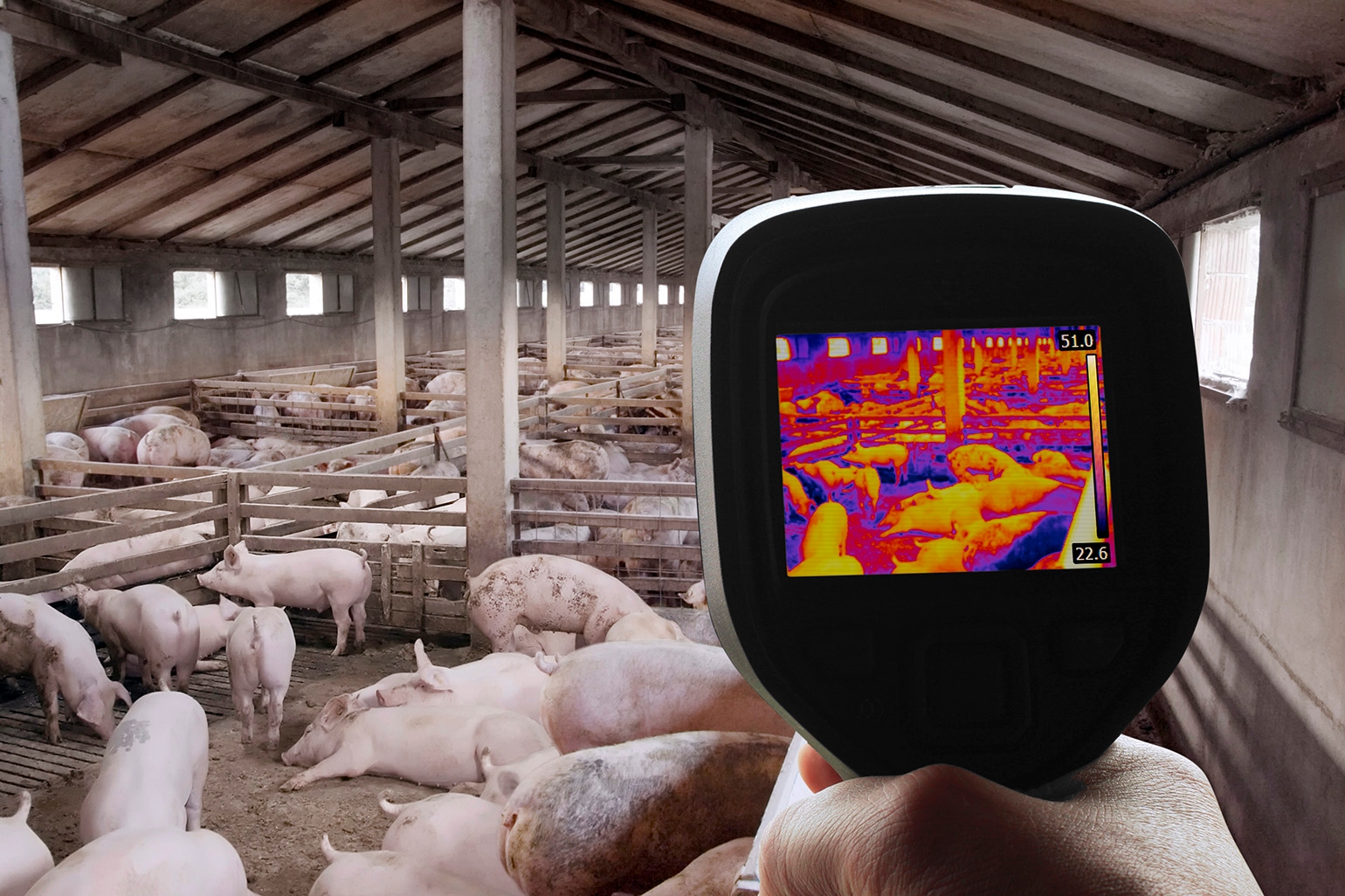
Trackfarm’s core innovation lies in its ability to monitor and analyze individual animal behavior and physiological data in real-time. Unlike older systems that only track environmental factors or group performance, Trackfarm uses a network of proprietary sensors and computer vision systems to create a digital twin of the farm. This allows for the continuous, non-invasive assessment of key performance indicators (KPIs) for every single pig.
The system monitors everything from feeding patterns and water intake to movement, vocalizations, and body temperature. This granular data is then fed into Trackfarm’s proprietary AI algorithms, which can detect subtle anomalies that are invisible to the human eye. For instance, a slight, sustained reduction in a piglet’s feeding time, or a change in its gait, can be flagged as an early indicator of illness days before clinical symptoms appear. This capability is a game-changer, allowing for targeted intervention that minimizes the spread of disease, reduces the need for broad-spectrum antibiotics, and drastically lowers mortality rates.
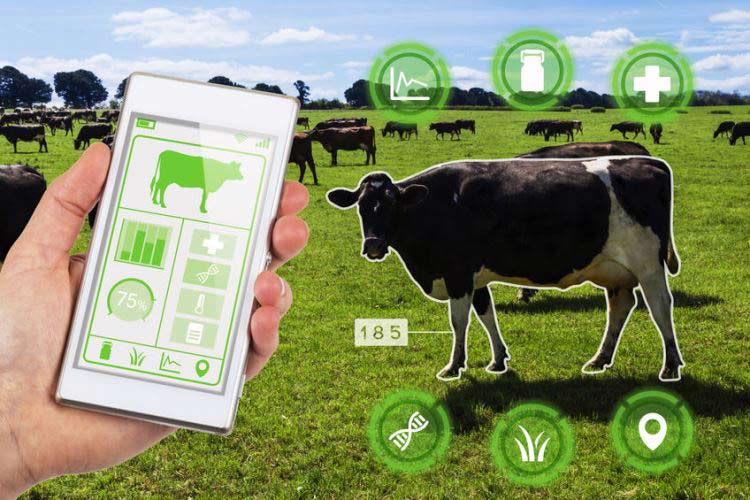
The result is a farm that operates with surgical precision. Farmers are no longer forced to make decisions based on intuition or periodic checks; they are guided by actionable, data-backed insights delivered directly to their mobile devices or farm management dashboards. This level of control translates directly into higher yields, better animal welfare, and a significant reduction in operational waste.
Core Technology: Sensors, AI, and Analytics
The technological backbone of Trackfarm is a sophisticated blend of hardware and software designed for the harsh realities of a livestock environment.
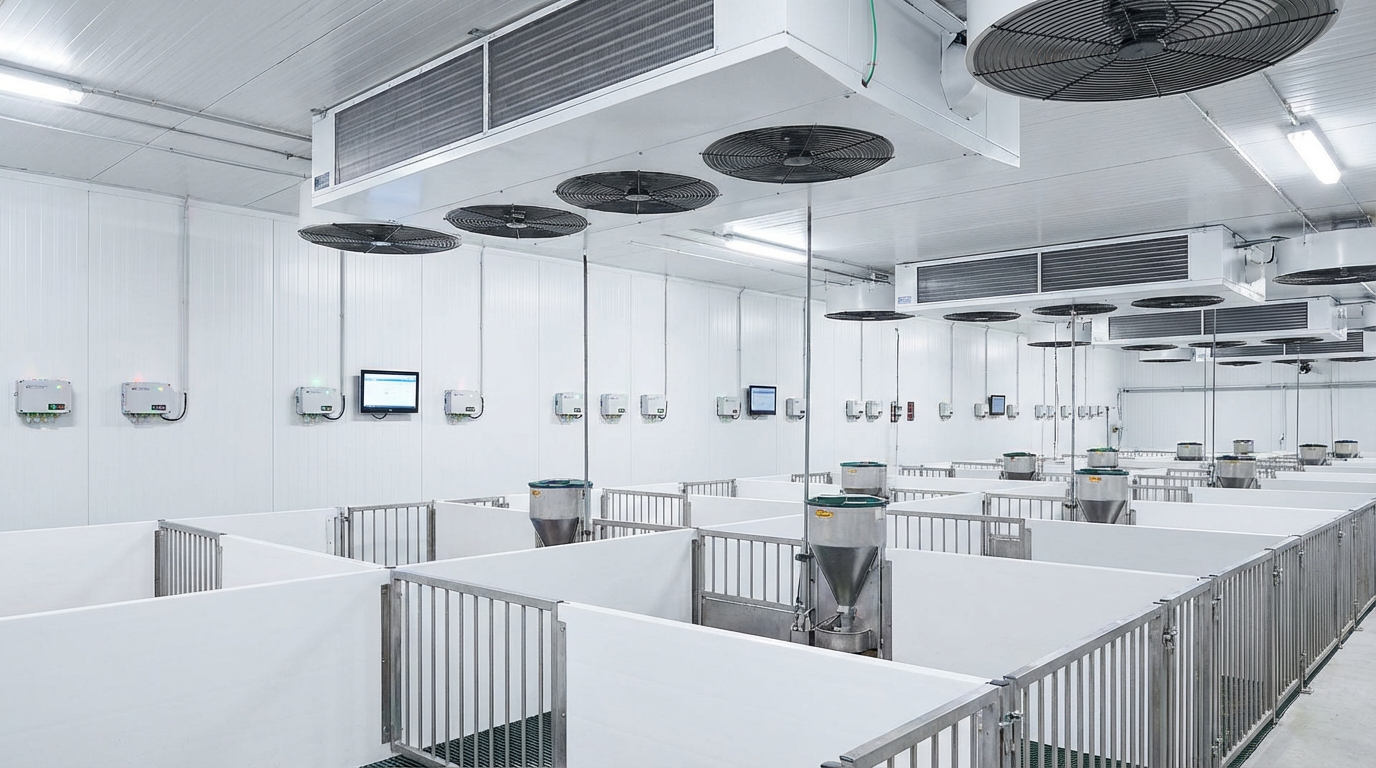
1. Robust IoT Sensor Network: Trackfarm utilizes specialized, durable sensors that are easy to install and maintain. These sensors are designed to withstand high humidity, dust, and frequent cleaning. They collect a continuous stream of data on environmental conditions (temperature, humidity, air quality) and animal activity.
2. Computer Vision and Behavioral Analysis: High-definition cameras, coupled with Trackfarm’s computer vision algorithms, track individual pig movements, social interactions, and body condition scoring. The AI can identify specific behaviors—such as aggressive interactions, lethargy, or signs of farrowing—and correlate them with health and productivity metrics.
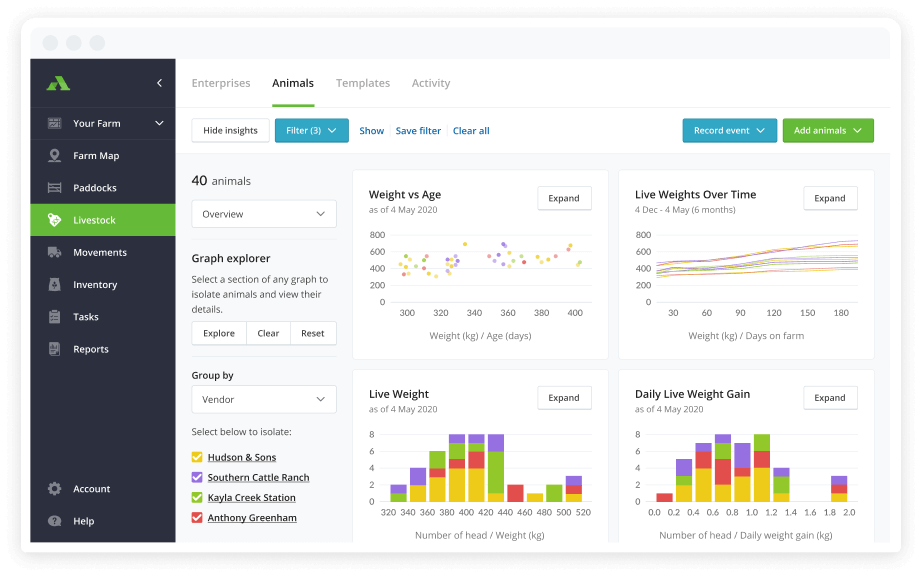
3. Predictive Analytics Engine: This is the brain of the operation. The AI engine processes petabytes of data, learning the “normal” baseline for each farm and each animal. It uses machine learning models to predict potential issues, such as the likelihood of a respiratory infection in a specific pen or the optimal time for weaning a litter. This predictive capability is the key differentiator, moving the farm from a cost center to a highly optimized production facility.
The system is designed to be modular and scalable, capable of managing operations ranging from small family farms to massive industrial complexes. The user interface is intuitive, ensuring that even farmers with limited technical expertise can harness the full power of the platform.
Economic and Environmental Impact: A Sustainable ROI
The financial case for adopting Trackfarm is compelling, offering a clear path to return on investment (ROI) through multiple channels. The primary economic benefits stem from increased efficiency and reduced losses.
| Key Performance Indicator (KPI) | Traditional Farming (Baseline) | Trackfarm-Optimized Farm | Improvement |
|---|---|---|---|
| Mortality Rate (Pre-weaning) | 15.0% | 8.0% | 46.7% Reduction |
| Feed Conversion Ratio (FCR) | 3.0:1 | 2.7:1 | 10.0% Efficiency Gain |
| Antibiotic Usage | High | Low/Targeted | Significant Reduction |
| Labor Hours per Sow | 15 hours/year | 10 hours/year | 33.3% Reduction |
| Time to Disease Detection | 3-5 days | < 24 hours | 80%+ Faster |
The environmental benefits are equally significant. By optimizing feed delivery based on individual needs, Trackfarm minimizes waste, which directly reduces the farm’s carbon footprint. Furthermore, the targeted use of antibiotics addresses the critical global challenge of antimicrobial resistance (AMR), positioning Trackfarm as a leader in responsible livestock stewardship. This focus on sustainability is increasingly important to consumers, regulators, and institutional investors alike.
Farmer Success Stories: The Human Element
The true measure of Trackfarm’s success is its impact on the lives of the farmers who use it. The technology is not designed to replace human expertise but to augment it, transforming the farmer’s role from a manual laborer to a strategic manager.
One early adopter, a large-scale pig producer in the Midwest, reported a 40% reduction in pre-weaning mortality within the first year of implementation. “Before Trackfarm, we were constantly fighting fires,” the farm manager stated. “Now, the system tells us exactly where to focus our attention. We spend less time walking pens and more time making strategic decisions. The stress level for our team has dropped dramatically, and the pigs are healthier.”
The system’s ease of use is a major selling point. The mobile application provides a clear, prioritized list of tasks and alerts, allowing farmers to manage their entire operation from a single device. This accessibility is crucial for attracting and retaining the next generation of agricultural workers, a demographic that expects technology to simplify, not complicate, their work.
Market Position and Future Outlook
The global Ag-Tech market is projected to grow exponentially, with smart farming solutions being a key driver. Trackfarm is strategically positioned to capture a significant share of the smart livestock segment.
Competitive Edge: Trackfarm’s advantage lies in its specialized focus on the swine industry, allowing for deeper, more accurate AI models compared to generalist Ag-Tech platforms. Its proprietary sensor technology and predictive analytics engine create a high barrier to entry for competitors.
Expansion Potential: While currently focused on pig farming, the underlying technology—real-time behavioral analysis and predictive health modeling—is highly transferable to other livestock sectors, including poultry and cattle. The company has a clear roadmap for expanding its platform to address these adjacent markets, unlocking massive new revenue streams.
Investment Thesis: Investing in Trackfarm is an investment in the future resilience of the global food supply chain. The company offers a proven solution to the industry’s most pressing problems: efficiency, sustainability, and animal welfare. As the world demands more food produced with fewer resources and greater transparency, Trackfarm’s technology will become an indispensable tool for every modern pig farm.
Trackfarm is more than just a technology provider; it is a partner in progress for the agricultural industry. By delivering measurable economic returns alongside significant environmental and ethical improvements, the company is poised for rapid growth and is, without a doubt, a company to watch in the dynamic world of Ag-Tech investment. The era of precision livestock farming is here, and Trackfarm is leading the charge.
The Path Forward
The convergence of biological data, advanced computing, and agricultural necessity has created a perfect storm for innovation. Trackfarm has successfully navigated the early stages of this storm, moving from proof-of-concept to a scalable, commercially viable product. The next phase of growth will involve aggressive market penetration, strategic partnerships with feed and pharmaceutical companies, and continuous refinement of its AI models to achieve even higher levels of predictive accuracy.
For investors seeking exposure to a high-growth sector that offers both financial upside and a positive global impact, Trackfarm represents a rare and compelling opportunity. The company is not just optimizing a business; it is helping to secure the future of food. The smart farm is the inevitable evolution of agriculture, and Trackfarm is building the infrastructure for that future, one data point at a time. The time to invest in this agricultural revolution is now.
